Is your pet overweight or obese? According to a
recent study
published by the Association for Pet Obesity, an estimated 58.9% of cats and 53.9% of dogs in the United States are overweight.
Much like humans, animals are subject to many of the same short-term and long-term side-effects associated with being overweight, including general lethargy, increased risks of health problems, decreased emotional and cognitive function,
increased anxiety, and more. Left unchecked, pet obesity can dramatically decrease your pet’s quality of life and certainly shorten your pet’s lifespan. Also like humans, our cats and dogs tend to overeat during the holidays. Or, to be more accurate, pet parents tend to overfeed their pets at this time, making
pet obesity an even greater challenge in the fall and winter.
But don’t fret. The good news is that by being focused and intentional, and scheduling regular
pet wellness checks, you can take action to help your dog or cat live a healthier, happier (and skinnier!) life.
Five Simple Strategies for Fighting Pet Obesity
Pet obesity can have multiple causes, but the most common causes are overeating and inactivity—both of which you can control with a little bit of creativity and patience. Here are five simple strategies we recommend to help you begin improving your pet’s quality of life and fighting pet obesity:
Strategy 1: Know what’s right for your pet.
The first step is knowing the goal. Each animal is different, and it’s important to know exactly what’s right for your particular pet. Consult one of
our veterinarians
on your next visit to determine your pet’s ideal weight, caloric intake, number of meals per day, etc. We can even recommend the right specialty diet to help you control your pet’s weight. Armed with this knowledge, you can confidently manage your pet’s wellbeing.
Strategy 2: Count those calories!
Let’s face it—it’s easy to dish up a full can of pet food or guesstimate how much food your pet needs throughout the day. Often, we do this because it’s convenient or because we’re uncertain about exactly how much food is too much or too little. But the best way to avoid overfeeding and—ultimately—obesity is to count the calories your pet consumes each day and make sure this count aligns with your pet’s ideal caloric intake.
This means carefully reading the labels to determine exactly how many calories are in your pet’s food and what constitutes a serving size. If the serving size is listed by weight, consider investing in a kitchen scale to more easily determine the amount of food to give your pet. You can find an inexpensive kitchen scale at your local home goods store.
Strategy 3: Avoid treats and snacking.
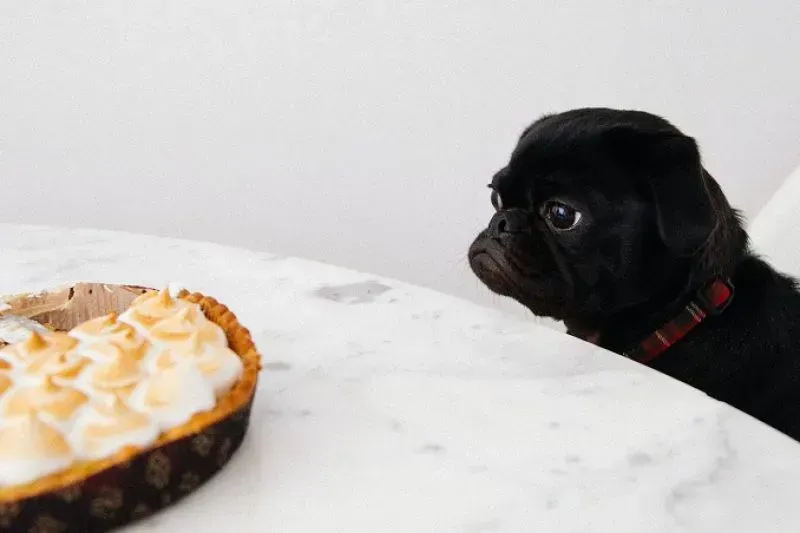
We all know how hard it can be to resist your pet’s begging eyes as your dog or cat watches you cook dinner for you and your family. But feeding your pet food that is not intended for them, or supplementing their diet with treats (which are often high in calories) throughout the day, is a sure way to overfeed. We recommend cutting back on feeding outside of normal meal times and making sure that all extras are high-quality treats made especially for animals.
Strategy 4: Encourage an active lifestyle.
Activity is good for your pet, and it’s essential that you encourage your pet to live an active lifestyle. The simplest way is to give your pet focused time, care, and attention—whether that means a few extra minutes on your daily walk with the dog or spending time each evening after work playing with the cat. For owners with busy lifestyles, you can further supplement this daily attention with Doggie Daycare, with toys, or by introducing activity, exercise, and games into your pet’s meal times.
Strategy 5: Keep your pets curious.
Going hand-in-hand with encouraging an active lifestyle is giving your pet reasons to remain active, interested, and engaged. Look around your home (and yard for outside pets) for ways to keep them engaged and curious. For dogs, it might mean buying a few new toys. For cats, it might mean giving them their own elevated, cat-friendly space that encourages climbing, jumping, and exploration. Puzzle toys and
puzzle feeders are especially good choices for pets, especially
senior dogs and cats or pets who are home alone during the day.
There are so many different ways that you can encourage your pets to be active and engaged with life. With a little bit of patience and being aware of your pet’s needs, you will soon begin to find new and creative ways to improve your pet’s life and health. And of course, if you have any questions or are looking for ideas, we’re always here to help and offer insight!