By: Elizabeth Alexander, DVM
Ambassador Animal Hospital
Just kidding! Since ticks are parasites, there is nothing good about them! Ticks are ectoparasites, meaning they live on the outside of our bodies. Both male and female ticks bite, eating blood as their food. The tick bite itself does not hurt, and usually goes unnoticed, and the amount of blood a tick eats is small. The big issue with ticks is they transmit disease! Diseases such as Lyme disease are transmitted by ticks, and can be debilitating, or cause serious illness, which is why preventing ticks is SO important!!
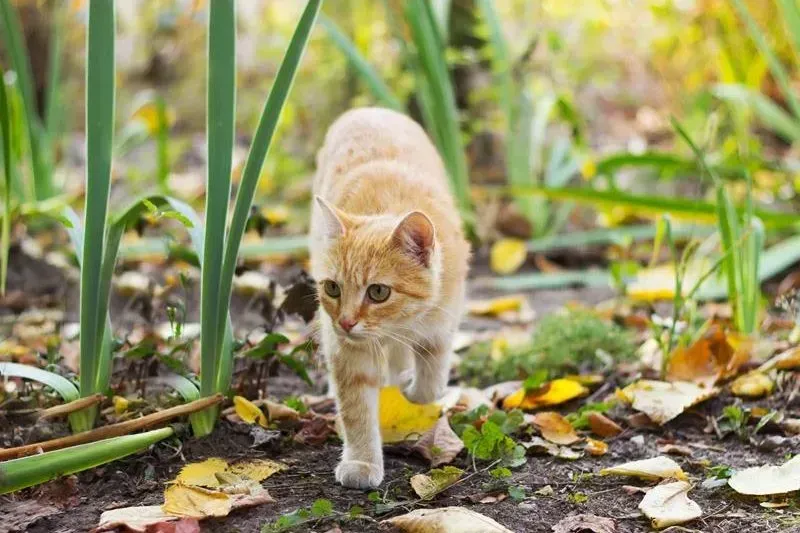
Ticks live not only in trees, but also in tall grass and on bushes. Most pets are infected with ticks while traveling through long grass. Ticks also live in leaf litter. Female ticks actually hibernate in leafy debris over winter and emerge on warm days to lay their eggs. To help prevent ticks in your yard, keep grass mowed down, bushes trimmed away from walkways, and make sure to keep the yard free of leaves and downed branches.
The life cycle of the tick includes egg, larva, nymph and then the adult stage. Each stage (except egg) requires a blood meal for growth. That means we are not just keeping an eye out for your quintessential plump, engorged tick. Most ticks are still in the juvenile stages, and are teeny tiny, like the head of a pin! Their small size makes it difficult to just “check” your pet for ticks. Physical checks are helpful, but tick prevention is much more helpful. When checking, make sure to look around the ears, and feet, as well as the folds of the neck.
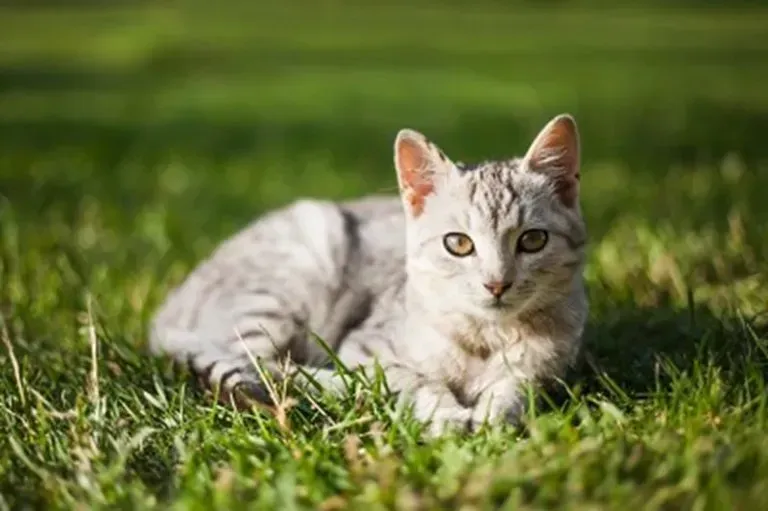
Prevention of ticks is easy these days thanks to modern medicine. For dogs, there are both topical options (such as Bravecto), and oral options (such as Nexgard Plus, or Simparica Trio). For cats, only topical options are available (such as Revolution Plus, or Nexgard Combo). Tick prevention for cats is equally as important as in dogs. Despite your cat’s amazing ability to groom him/herself, those tiny ticks hide around ears and toes and can escape your cat’s tongue.
Ticks are fairly long lived, as their life cycle takes several years. Nymphs and adult females overwinter, hibernating during cold weather, and becoming active again on warm days. Since our South Carolina winters are mild, with spikes of warm temperatures, it is common to find ticks on your pets during the winter months. That is why monthly YEAR ROUND prevention is so important.
Please note that Lyme disease in dogs and people is becoming more and more prevalent. Lyme disease used to be thought of as something that only occurred in the Northeast region of our country. However, it is now prevalent in Virginia, Tennessee, and North Carolina. Though Lyme disease infections still occur rarely in South Carolina, prevention of ticks is so important as we travel with our furry family members. It’s common for us Greenville folks to take a day trip into North Carolina, or a weekend trip to Tennessee, to enjoy some mountain views or some hiking. We need to prevent Tick-borne diseases both for our pet’s safety and for ours!!
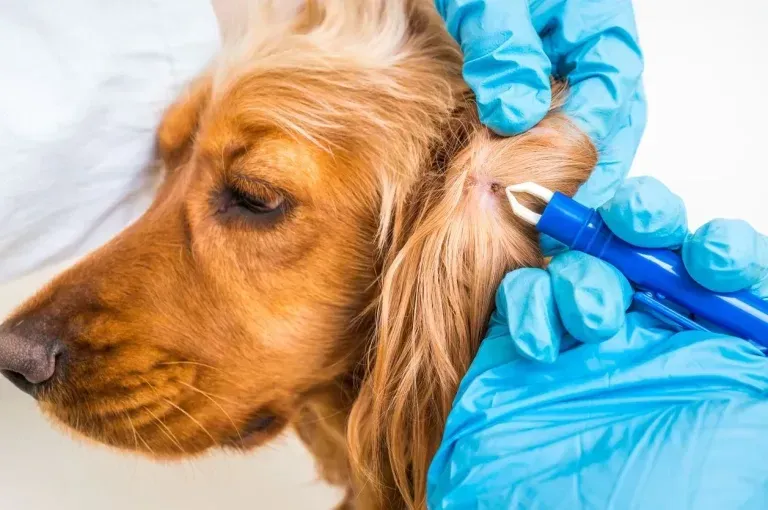
If you do find a tick on your pet, take these steps to safely remove it at home.
1. Wear gloves
2. Apply alcohol to the site
3. Use tweezers to grasp the tick as close to the skin as possible
4. Apply slow and steady pressure (don’t twist or yank) to carefully and gently tease the tick out of the skin. Make sure to remove the head and mouth parts.
5. Apply alcohol to the site afterwards as well.
6. Flush the tick down the drain, or bag it in a zip-lock baggie. Do NOT squish the tick as this can also release disease.
Ticks are parasites that drink blood in order to grow. That’s not only gross, but it also spreads disease! These diseases can cause weakness, anemia, fatigue, pain, etc, not only in our pets, but also in us humans. As scary as all this sounds, prevention of ticks is super easy. All we, as caregivers, must do is administer a monthly tick prevention to our furry friends. Please keep your pets on tick prevention YEAR-ROUND as ticks can remain active all winter. It’s as simple as that, and we can all get out and enjoy the mountains, trails, and even our own backyards.